The Age of Machines
In the presence of
Cinema came into being at the end of the 19th century, just like other machines: cars, aeroplanes, locomotives, tractors… Louis Lumière was quick to film Train Pulling into a Station (1895), whilst Georges Méliès imagined a rocket and directed A Trip to the Moon (1902). For 130 years, cinema has accompanied industrial, mechanical and technological progress, whether through comedies, social dramas or science fiction films. From the very outset, it has captured this fascination with machines, but also the upheavals they bring about in society.
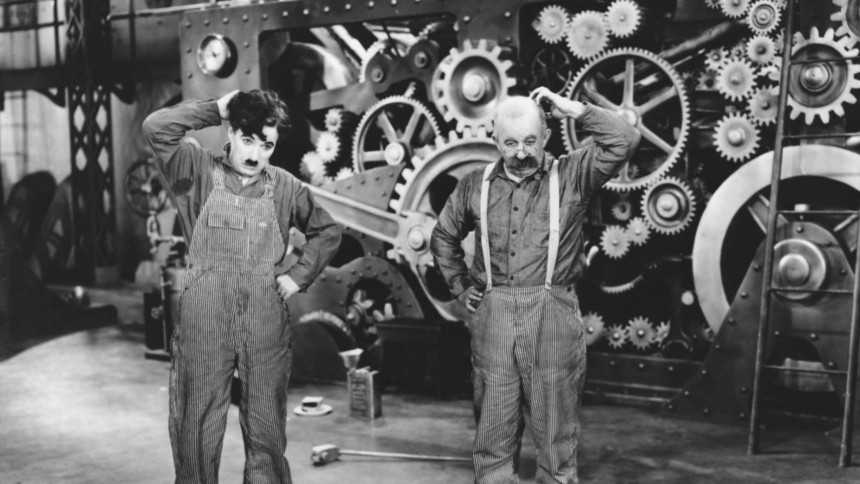
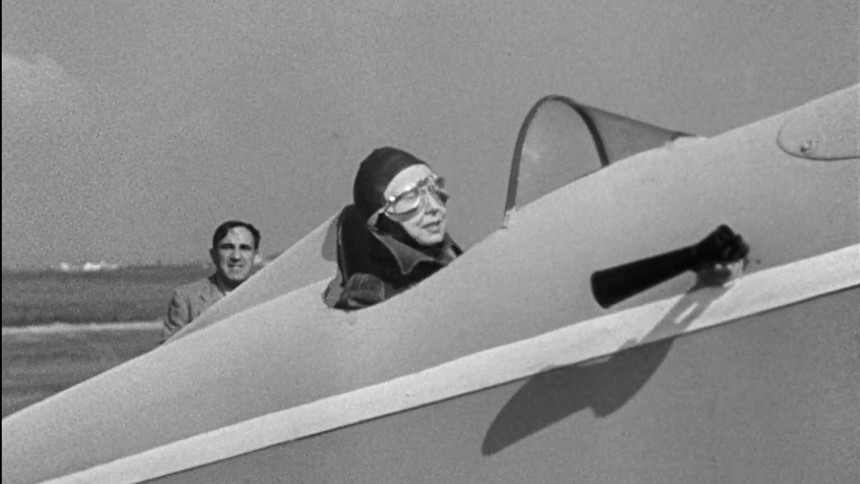
It was upon returning to the United States, after a promotional tour for City Lights (1931), that Charlie Chaplin discovered the devastation wrought by the Great Depression. Having himself experienced poverty, he questioned the effects of industrialisation: should machines serve humanity, or should humanity serve machines? Modern Times (1936) provides his answer, blending humour and compassion. In it, Chaplin depicts the hell of factory life, where the Tramp, a poetic and burlesque cog in the machine, proves quite incapable of keeping up with the pace. Jean Grémillon, on the other hand, celebrates emancipation through technology in The Woman Who Dared (1944) through the story of a woman fighting to become a pilot.
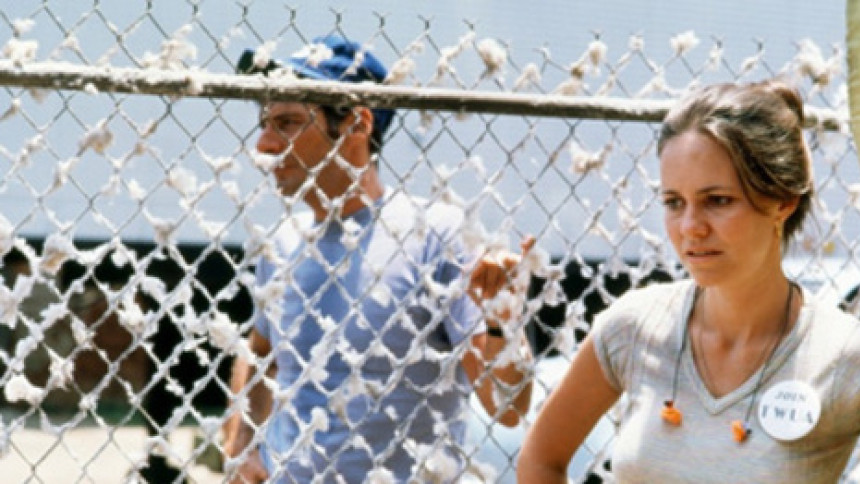
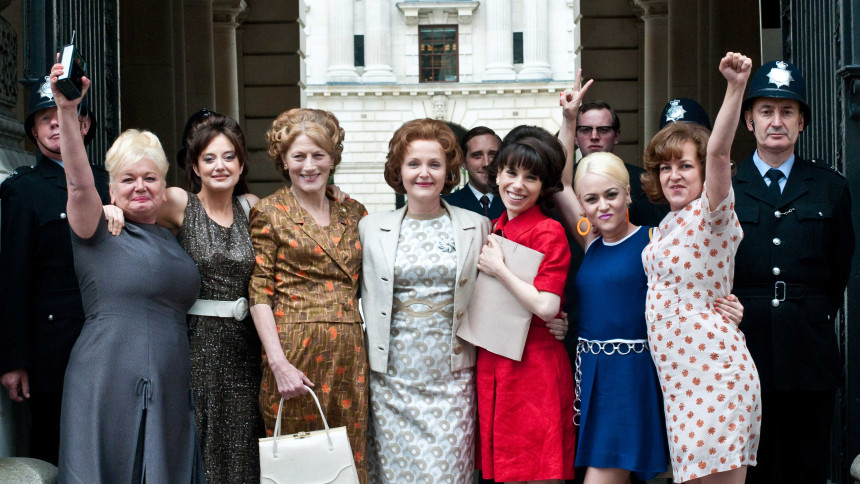
The factory in Norma Rae (1979) is the economic lifeblood of a small town in the southern United States. Men and women have worked there for generations, to the extent that no one dares to question the working conditions, which are precarious and dangerous to say the least. The alliance between a trade union representative from New York and a determined young female worker paves the way for the formation of a trade union, the first step towards restoring a balance between management and the workforce. Made in Dagenham (2010), inspired by real events, extends this exploration by recounting the 1968 strike by female workers at the Ford factory in Dagenham in a fight for equal pay.
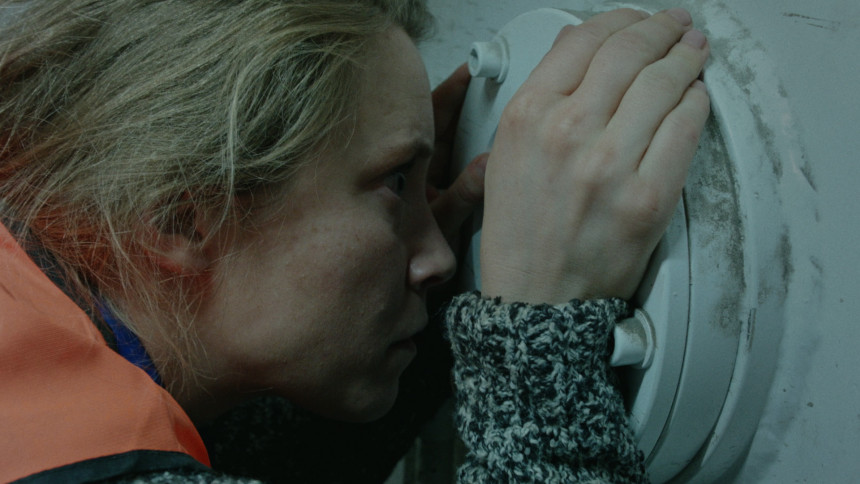
These deeply human stories are counterbalanced by Our Daily Bread (2005), the staggering flipside of our overconsumption. In this experimental documentary, there is no farce, no noble struggles: only animals and humans cast into the hell of the modern agri-food industry. A series of often terrifying scenes, where precise, mechanical machines dictate the arrangement of bodies and spaces. Cutterhead (2021) by Rasmus Kloster Bro, known in France as Exit, explores another dimension of modern alienation through a survival story set in a decompression chamber in this highly intense Danish survival film.
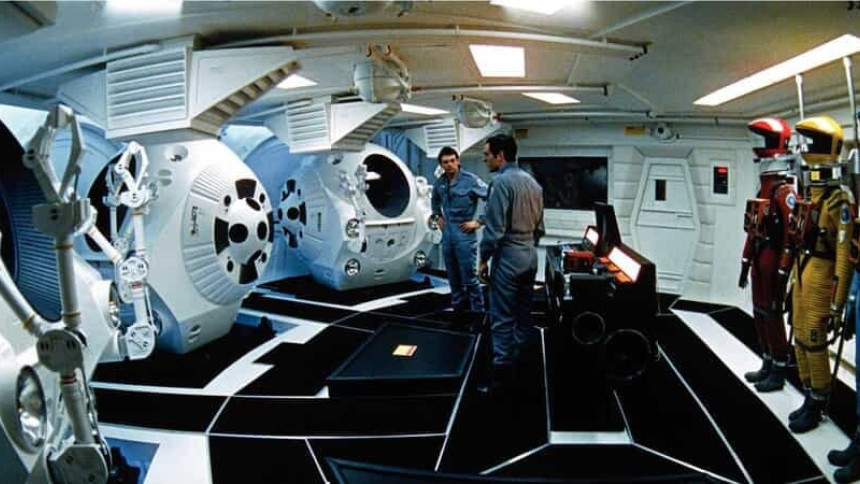
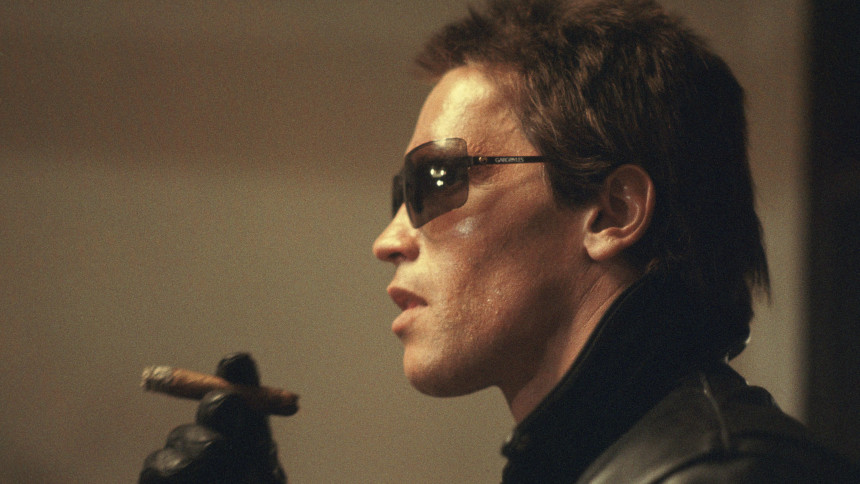
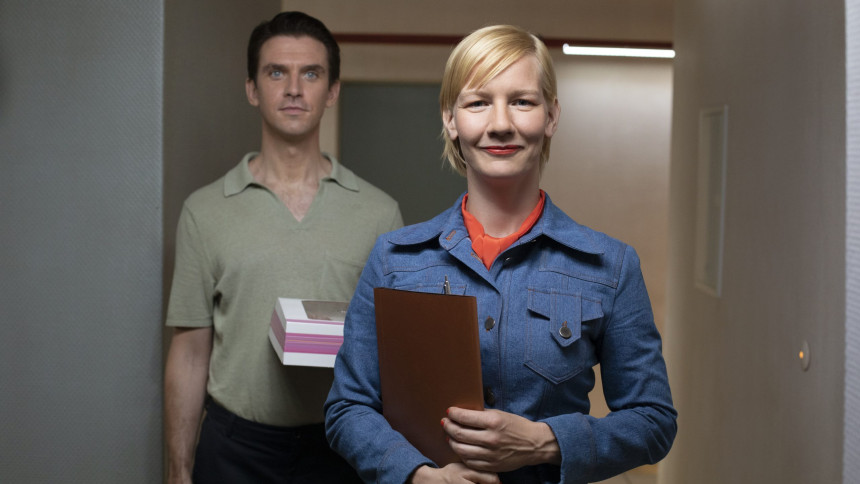
When science fiction or fantasy cinema takes on this theme, it creates unforgettable sequences, whether we think of HAL, the artificial intelligence that accompanies the astronauts on Discovery One and puts them in danger (2001: A Space Odyssey, 1968), or The Terminator (1984), sent from the future to assassinate Sarah Connor, whose child will spark a revolt against the machines. John Carpenter’s Christine (1983) explores another facet of this fear: that of a possessed car, a symbol of technology that has spiralled out of control. Fascinating and unsettling, these machines can also take on a more sentimental and intimate dimension, as in two contemporary European films: Eva (2011), the debut feature film by Spanish filmmaker Kike Maíllo, and the German comedy I’m Your Man (2021) by Maria Schrader (director of the miniseries Unorthodox and She Said on the Weinstein affair). The characters’ inability to know whether their relationships with these machines are real creates an existential crisis.
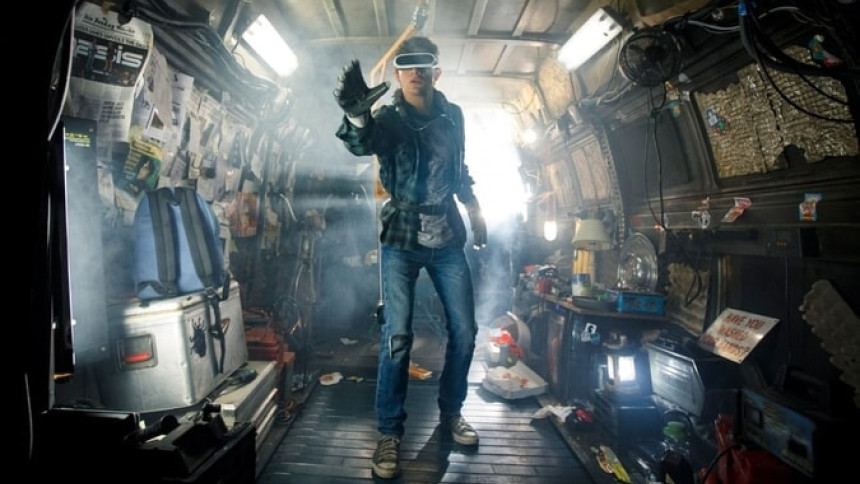
Ready Player One (2018), meanwhile, plunges us into a virtual universe where machines redefine the boundaries of reality and identity, offering a vision of our technological dependence that is both playful and critical.
Machines function as a dizzying mirror of our future: how far will the alliance between man and machine take us as a species? In the age of the rise of AI, machines prove, once again, that they are humanity’s greatest enemy. What if the real question were not what machines can do, but what can they do to us? Ever since humankind first imagined and designed these machines, it has never ceased to measure itself against them. In turns a docile servant, a rebellious creature and an intrusive companion, the machine reveals something about us: our fears, our desires, our dreams of power and our anxieties about our own extinction.
This theme for the 39th edition of Premiers Plans offers a rich variety of perspectives to explore and reflect on our relationship with both progress and these tools.
Programming in progress
Feature Films


Short films - Dreams of Machines
In partnership with Benshi
A programme of short films to enjoy as a family, recommended for children aged 5 and over, followed by a philosophic discussion tailored to children, led by Margot Grenier
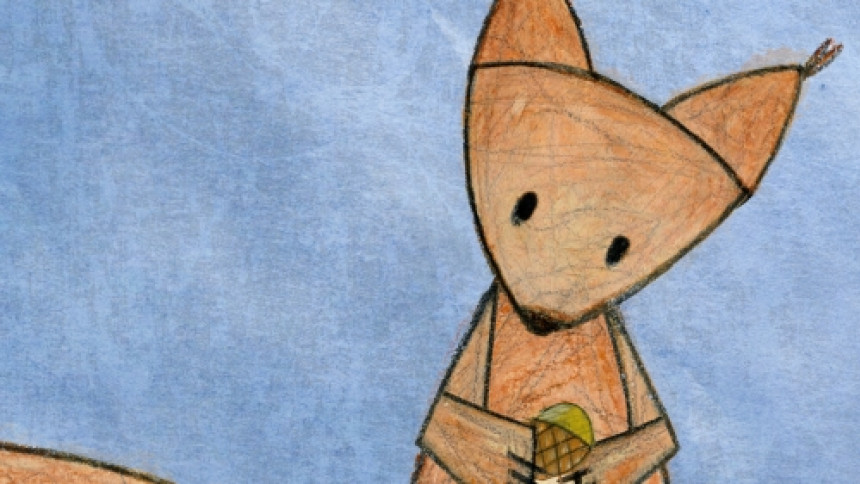
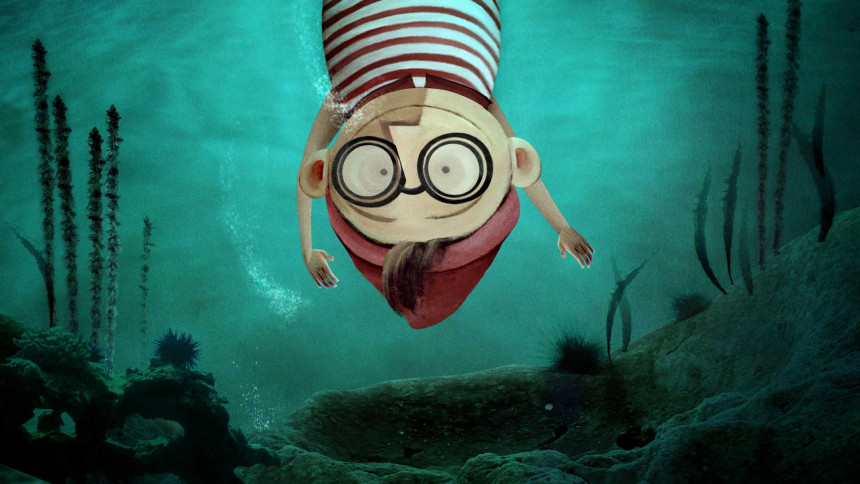
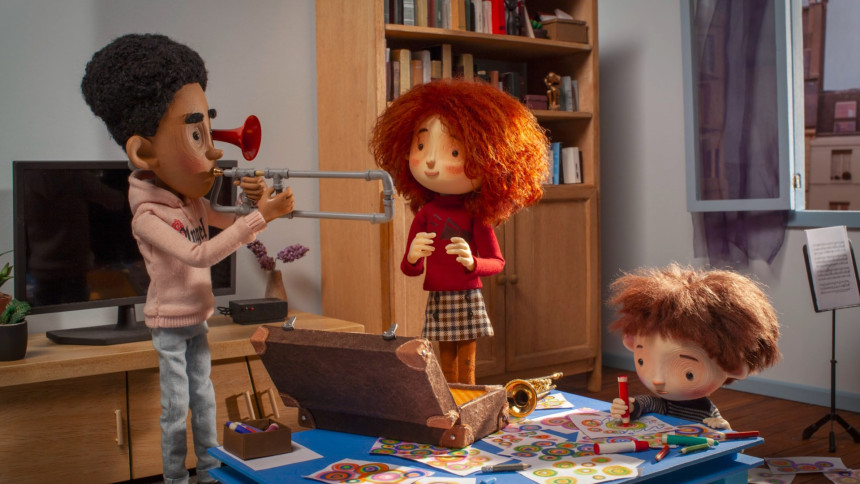
Through this programme of three short films, Benshi is inviting you to discover some extraordinary machines: an underground mechanism that orchestrates the cycle of day and night, an invention that enables life beneath the sea, and a sound piano that opens up new ways of communicating. Each of these machines, in its own way, is deeply poetic. They make possible what previously seemed impossible and transform the way we see the world. Discover three charming tales in which machines, far from replacing humans, bring them gentleness and fantasy.
Good reasons to explore the programme:
- Discover extraordinary machines
- Original and highly poetic stories
- The high quality of the animation in the short films